Bivouacking on the Tour du Mont Blanc: the Complete Regulations, Sector by Sector
Where are you allowed to bivouac on the TMB? Bivouac vs. camping, country-by-country and nature-reserve rules, and good practices for bivouacking respectfully in the massif.
Refuges fully booked a year in advance, a tight budget over 7 to 11 days, the appeal of nights under the stars facing the massif: there's no shortage of reasons to want to bivouac on the TMB. But unlike a simple day hike, bivouacking on a route that crosses three countries and several nature reserves follows precise rules that vary noticeably from one sector to the next. Here's what you need to know before pitching your tent.
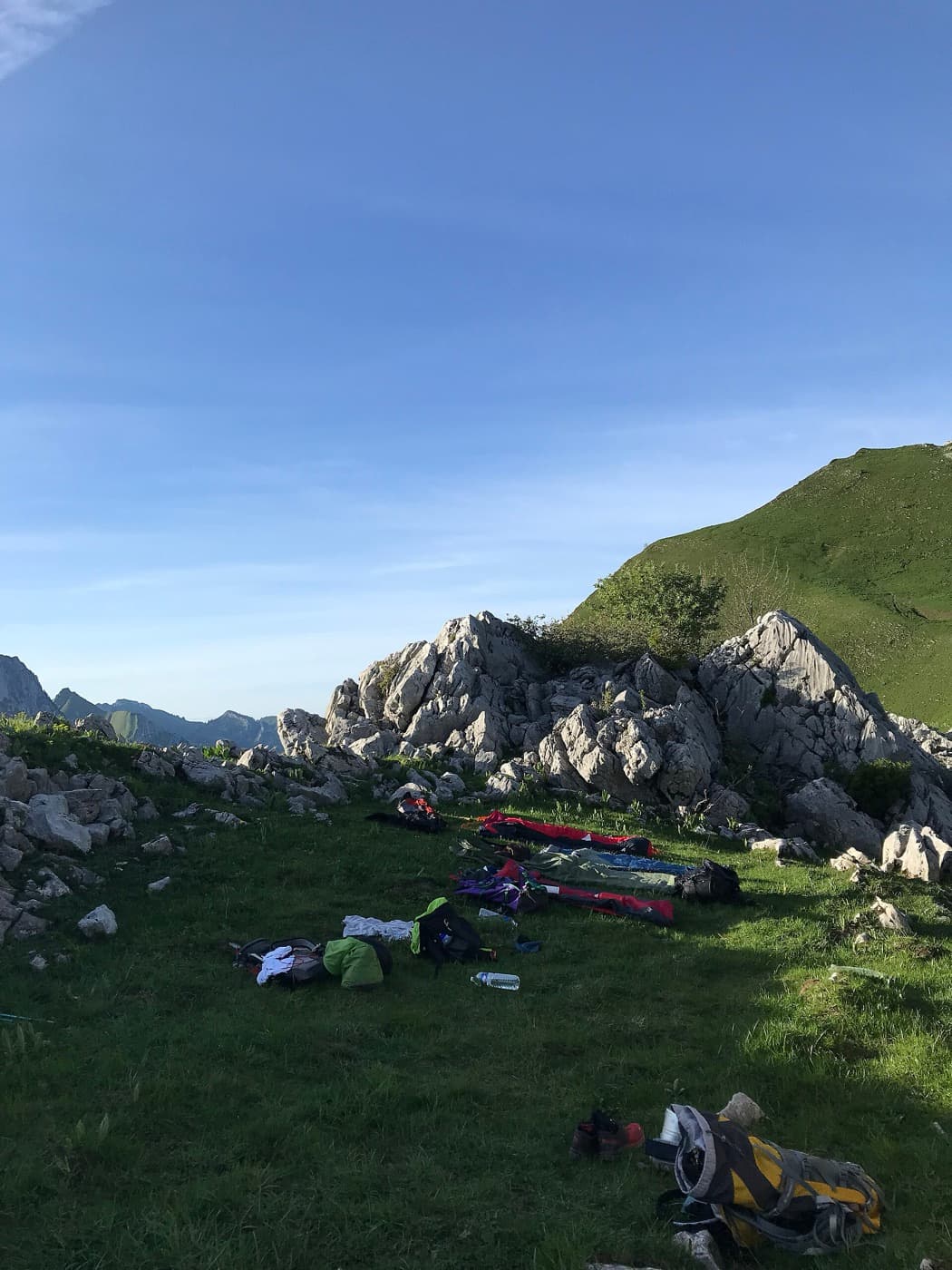
Bivouac vs. camping: the legal difference
Hikers often use these two words interchangeably, even though they cover quite distinct legal realities in the mountains.
- Bivouacking means a light, temporary setup (tent, tarp, sleeping bag directly on the ground), pitched in the evening and taken down the next morning, generally tolerated between 7pm and 9am close to a hiking trail, outside protected areas.
- Camping implies a more permanent setup, often over several days and in a dedicated, developed site (a municipal or private campsite) — a different practice, subject to its own commercial rules, unrelated to wild-bivouac regulations.
- The distinction carries real legal weight: a bivouac that respects its hours and location is generally tolerated in permitted areas, while an extended setup outside those hours can be reclassified as wild camping, which is usually banned and punishable.
Regulations by zone
The TMB crosses very different protection statuses, which you need to know before choosing where to bivouac.
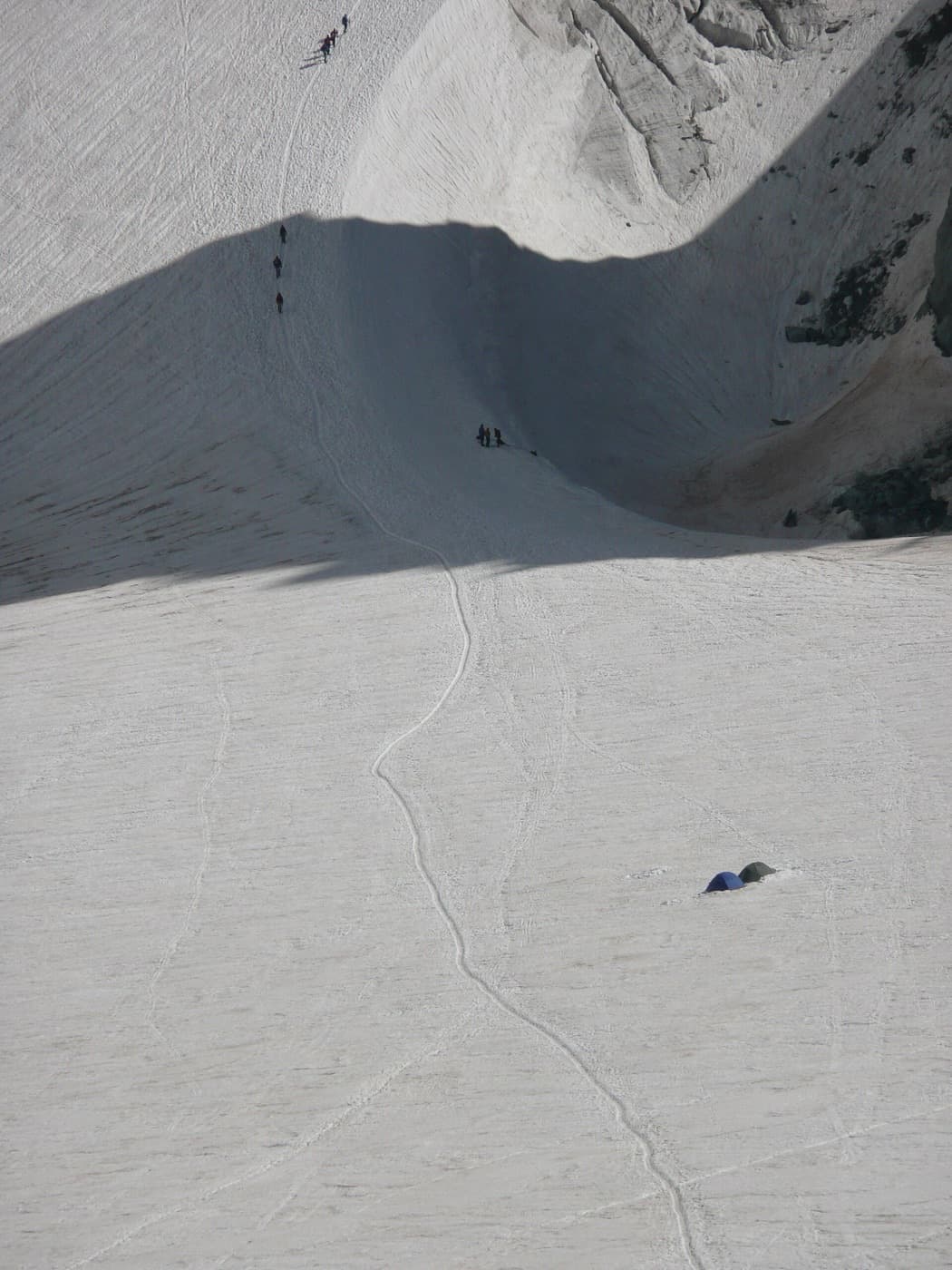
France
- Bivouacking is broadly tolerated on the French side of the tour, provided you stick strictly to the hours (7pm-9am) and keep a good distance from water sources and dwellings.
- The Les Contamines-Montjoie Nature Reserve applies stricter rules: bivouacking there is regulated and generally limited to specific areas — check with the reserve's visitor centre before settling in.
- The Aiguilles Rouges Nature Reserve bans bivouacking across its entire area, without exception, along with other uses subject to strict protection of local wildlife and plant life.
Italy
- Bivouacking is generally tolerated in the Italian Val Ferret, with the same common-sense principles: pitch late, take down in the morning, and keep a reasonable distance from trails and grazing areas.
- Some rifugi have a winter room (an unstaffed bivouac shelter, accessible out of season or as a backup) that can be a useful fallback in bad weather — its availability is never guaranteed, though, and should be confirmed directly with the warden.
Switzerland
- Swiss regulations tend to be stricter on free bivouacking in some of the cantons the tour crosses, with tolerance varying between the municipalities of the Swiss Val Ferret and the Trient area.
- The alpine pastures, very present on this side of the tour, call for an even more careful choice of spot in practice, kept away from herds and their guard dogs.
Bivouac autorisé sur mon secteur ?
Vérifiez votre pays, votre zone et votre horaire
Autorisé de 19h à 9h
Toléré sur le versant français, dans le respect strict des horaires et à bonne distance des points d'eau et des habitations.
Informations données à titre indicatif, sans valeur réglementaire officielle. Vérifiez toujours auprès de l'organisme gestionnaire de la zone avant de vous installer.
Where to bivouac near refuges
A common and generally well-received practice is to bivouac right next to a refuge rather than out in the open, far from everything.
- Some refuges explicitly allow bivouacking on their flat ground, usually for a small fee giving access to toilets, drinking water, or even the evening meal in the common room.
- This option is never a given: it's best to ask the warden directly on arrival, rather than pitching your tent without checking first.
- The advantage is twofold: added safety from being close to the refuge (help, water, shelter in bad weather) and a cost that's often modest compared with a full night in a dormitory.
Good practices for bivouacking respectfully in the massif
Beyond the strict regulations, a few common-sense principles apply everywhere on the tour, whatever country you're in.
- Never light a fire, in any zone: wildfire risk stays high across the whole massif during the dry summer season.
- Leave no trace: no rubbish, no sign of tent pegs or makeshift toilets should remain once the tent comes down.
- Set up well away from water sources so as not to pollute water used by local wildlife and by other hikers.
- Avoid spots visible from busy trails, both out of environmental discretion and respect for the peace of other hikers passing by.
Conclusion: a well-prepared bivouac, a stress-free tour
Bivouac regulations on the TMB are nothing insurmountable once you know the main rules: respect the hours, avoid or route around nature reserves, and follow a few basic environmental good practices. It's a way of staying overnight that simply calls for a bit more planning than a standard refuge booking.
Before setting off on your bivouac-style tour, remember to secure your departure: book your secure parking in Les Houches for the TMB, and make use of our luggage storage in Les Houches for anything that doesn't fit in a pack already loaded with bivouac gear.
Related articles
Lightening Your Backpack for the Tour du Mont Blanc: How to Stay Under 8-10 kg
How do you lighten your backpack for the TMB without sacrificing comfort? A category-by-category sorting method, common traps, and a realistic target weight for 170 km and 10,000 m of elevation gain.
guidesWhere to Store Your Luggage in Les Houches Before the Tour du Mont Blanc?
Luggage storage and lockers: the guide to knowing where to leave your suitcases and valuables in Les Houches before starting the Tour du Mont Blanc.